
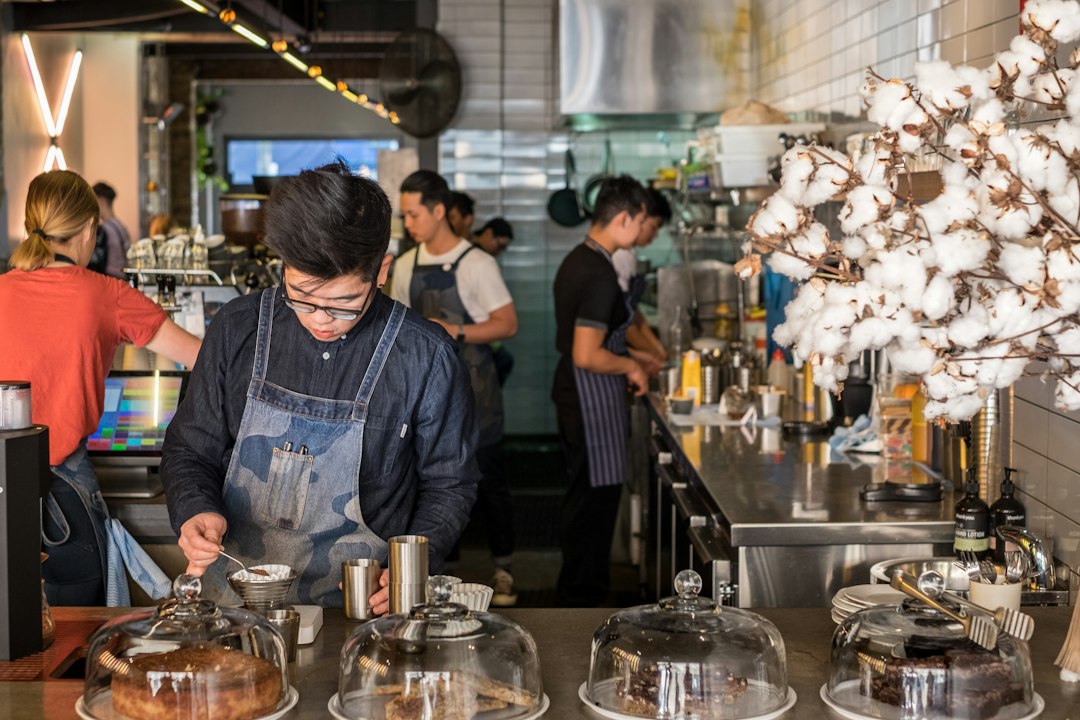
Darlinghurst sits just east of Sydney’s central business district, close enough to the city to be convenient but with a character all its own. For years it has drawn designers, writers, photographers, and other independent creatives who want somewhere to work that feels more alive than a home office and more human than a corporate coworking floor. The neighbourhood’s dense cluster of cafes is a big part of why.
This guide explains what makes Darlinghurst a strong base for freelance work and how to find the right cafe for your day.
Why Darlinghurst Works for Creatives
The suburb has a long history as a home for the arts and independent business. That heritage shows up in the streetscape: small shopfronts, tight laneways, and a steady flow of people who are self-employed or working outside traditional offices. When a neighbourhood is full of freelancers, cafes adapt to them. You are more likely to find comfortable seating, tolerance for a longer stay, and a general atmosphere where working on a laptop feels normal rather than out of place.
Darlinghurst is also walkable and well connected. It is a short trip from the city, close to Kings Cross and Surry Hills, and easy to reach on foot from several transport options. For a freelancer juggling client meetings and focused work, being able to move between locations quickly is a genuine advantage.
What to Look For in a Work Cafe Here
Not every cafe in the area is suited to a long working session, and that is fine. Some are built for a quick coffee and a chat, which is exactly what many locals want. When you are scouting for a work spot, a few practical signals matter more than the coffee alone.
- Seating you can settle into, ideally with a table rather than only stools
- Access to power, since not every cafe offers it and battery life runs out
- A noise level you can tolerate, whether you like a low hum or need near silence
- Enough turnover that you do not feel guilty, but not so frantic that you are rushed
The best approach is to visit a handful of places at different times of day. A cafe that is packed and loud at nine in the morning can be calm and workable by two in the afternoon.
Timing Your Day
Darlinghurst cafes tend to follow a rhythm. Mornings are busy with the commuter and breakfast crowd, midday brings the lunch rush, and the early afternoon often opens up into a quieter window that suits deep work. If your schedule is flexible, aiming your most demanding tasks at that mid-afternoon lull can make a real difference to both your focus and your welcome.
| Time of day | Typical atmosphere | Best use |
|---|---|---|
| Early morning | Busy, high energy | Quick tasks, coffee, planning |
| Late morning | Peak, often full | Short stays, meetings |
| Early afternoon | Calmer, more space | Deep focus work |
| Late afternoon | Winding down | Wrapping up, light tasks |
Being a Good Regular
Freelancers who rely on cafes as a workspace do best when they treat the relationship as a two-way exchange. A cafe is a business, and your table has value. The simple courtesies go a long way: order regularly rather than nursing a single coffee for hours, avoid taking a large table to yourself during the busiest periods, and be considerate about phone and video calls. If you plan to take client calls often, look for a spot with more space or step outside when you can.
Becoming a genuine regular has real benefits beyond goodwill. Staff who recognise you are often happy to point you to the quieter corner, let you know when the room is about to fill up, and generally make your working day smoother. Those small relationships are one of the underrated perks of building your work life around a neighbourhood rather than a single desk.
Combining Cafes With the Wider Area
One of the strengths of Darlinghurst is that it does not stand alone. Neighbouring Surry Hills and the eastern edge of the city give you a wide range of options within a short walk, so you are never locked into one room for a whole day. Many freelancers build a small rotation of three or four cafes, matching the venue to the task. A bright, buzzy spot might suit brainstorming and email, while a calmer place is better for writing or design work that needs sustained attention.
This flexibility also helps with the social side of freelance life. Working alone can be isolating, and cafes provide low-pressure human contact that many independent workers come to value. Over time you tend to recognise other regulars, and the neighbourhood starts to feel like a loose community of people doing their own thing side by side.
Setting Up for a Productive Session
A great neighbourhood only takes you so far; how you set yourself up at the table decides whether the hours are productive. Freelancers who work from cafes well tend to share a few habits. They arrive with a clear plan for the session, ideally a single meaningful task, rather than sitting down and then wondering what to do. They keep their gear light but complete, so a charged laptop, headphones, and a phone that can act as a backup connection cover most situations.
And they treat the first stretch after settling in as protected time, silencing notifications and closing unrelated tabs before the room fills up.
The physical setup matters too. Choosing a seat with your back to a wall or in a corner cuts down on visual distraction, and a spot slightly away from the counter and door tends to be calmer. If you rely on power, scan for an outlet before you order rather than after, so you are not forced to move once you have your coffee. These small choices add up to a working environment you control, which is what turns a pleasant cafe into a genuinely productive office.
The Social Side of Freelancing
For many independent workers, the hardest part of freelance life is not the work itself but the isolation. A home office can become very quiet very quickly, and days can blur together without the light human contact that an office naturally provides. This is one of the underrated reasons Darlinghurst suits creatives so well. Its cafes put you among other people, many of them doing exactly what you are doing, without demanding anything of you.
Over weeks and months, that presence adds up to something like a loose community. You start to recognise other regulars, exchange a nod with the staff, and feel part of the neighbourhood rather than a visitor to it. That sense of belonging is good for morale and, in a district full of creatives, occasionally good for work, since informal conversations have a way of turning into collaborations and referrals.
None of it is guaranteed, but building your working life around a place makes it far more likely than staying home alone.
Final Thoughts
Darlinghurst rewards freelancers who take the time to learn its patterns. Rather than searching for a single perfect cafe, treat the whole neighbourhood as your extended office. Pay attention to the rhythms of the day, look for the practical features that support real work, and build genuine relationships with the places you return to. Do that, and you will find Darlinghurst is one of the more comfortable and creative corners of Sydney to build an independent working life around.