
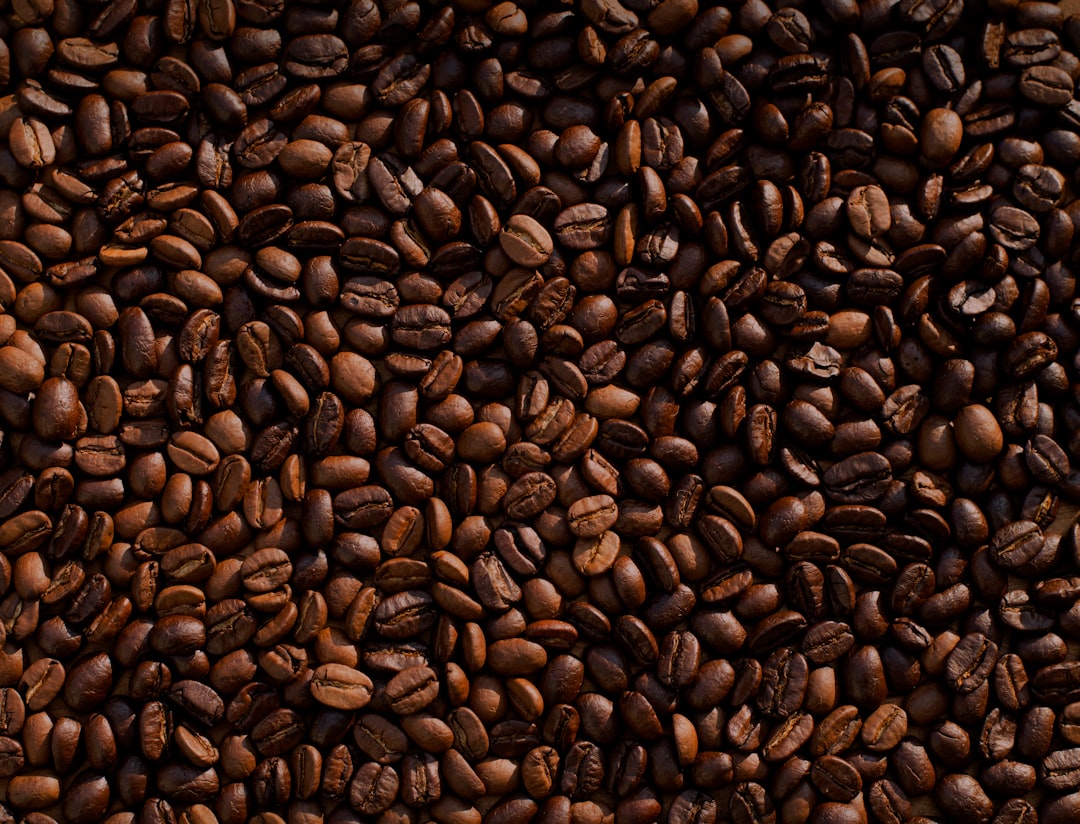
The word “roast” appears on almost every bag of coffee, yet few people are taught what it actually means. We learn vaguely that dark roast is “stronger” and light roast is “weaker,” and we leave it there. The reality is more interesting and more useful. Roast level is one of the biggest factors shaping how your coffee tastes, and understanding it helps you choose beans you will genuinely enjoy rather than guessing from a label.
This guide explains what roasting does to a coffee bean, how light, medium, and dark roasts differ, and how to pick the right one for the way you brew and drink.
What Roasting Actually Does
Coffee starts as a green, dense, grassy seed with almost none of the flavor we associate with coffee. Roasting applies heat over time, and that heat triggers a cascade of chemical changes inside the bean. Sugars caramelize, acids transform, moisture leaves, and hundreds of aromatic compounds develop. The familiar smell and taste of coffee are created during roasting, not before it.
As the roast progresses, the bean changes color from green to yellow to brown and eventually toward near-black. It also expands and loses weight as moisture escapes. Roasters listen for audible cracks as the beans heat, using these as landmarks to judge how far the roast has gone. Where the roaster chooses to stop determines the roast level and, with it, much of the final flavor.
The key idea is that roasting is a trade-off. Lighter roasts preserve more of the bean’s original character, including the flavors tied to where it was grown. Darker roasts develop more of the flavors created by the roasting process itself. Neither is more authentic; they simply emphasize different things.
Light Roast
Light roasts are stopped relatively early. The beans are light brown, dry on the surface, and retain much of the coffee’s origin character. This is where you find the bright, fruity, floral, and acidic notes that specialty coffee fans prize, because the roasting has not overwritten the flavors that come from the specific bean and region.
Light roasts tend to have a more pronounced acidity, which in coffee is a positive term describing brightness and liveliness rather than sourness when done well. They are often chosen to showcase a high-quality single-origin bean whose distinct character would be lost in a darker roast.
A common surprise is that light roasts are not weaker in caffeine. If anything, the differences in caffeine between roast levels are small and often run opposite to expectation. The perception of “strength” usually comes from the bold, roasty taste of dark coffee, not from its caffeine content.
Roast level changes the flavor profile far more than it changes the caffeine. “Stronger tasting” and “more caffeinated” are not the same thing.
Medium Roast
Medium roasts sit in the middle, and for many drinkers they are the comfortable default. The beans are a richer brown, and the flavor balances origin character against the sweetness and body that develop with more roasting. Acidity is softened compared to a light roast, while the roasty bitterness of a dark roast has not yet taken over.
This balance is why medium roasts are so widely sold and so often used in everyday blends. They are forgiving across brewing methods and tend to please a broad range of palates without leaning hard in any one direction. If you are unsure where to start, a medium roast is a low-risk choice.
Within the medium category there is real variation, from medium-light to medium-dark, and these shift the balance toward brightness or toward richness accordingly. The label gives you a general region, not a precise point.
Dark Roast
Dark roasts are taken further, producing dark brown to near-black beans, often with an oily surface as roasting pushes oils to the outside. The flavors here are dominated by the roasting process: bold, smoky, sometimes bittersweet or chocolatey notes, with most of the delicate origin character burned away.
This is the profile many people picture when they imagine a strong, intense cup. Dark roasts have a heavy body and a low, mellow acidity, which some drinkers find smoother and easier even though the taste is more aggressive. They stand up well to milk, which is part of why they are common in milk-based drinks.
The trade-off is that the subtle qualities of a fine single-origin bean are largely lost at this level. A dark roast tastes more like roast and less like the particular coffee underneath it, which is exactly what some people want and others want to avoid.
Comparing the Three
| Feature | Light roast | Medium roast | Dark roast |
|---|---|---|---|
| Bean color | Light brown, dry | Richer brown | Dark brown to near-black, often oily |
| Flavor emphasis | Origin character, fruity, bright | Balanced, sweet, rounded | Roasty, bold, smoky |
| Acidity | Higher | Moderate | Lower |
| Body | Lighter | Medium | Heavier |
| Best showcased | Single-origin beans | Everyday versatility | Bold flavor, milk drinks |
The table makes the central pattern clear: as the roast darkens, origin character and acidity fade while roasty intensity and body grow. Choosing a roast is really choosing where on that spectrum you want your cup to sit.
How to Choose the Right Roast
Start from what you enjoy in the cup rather than from the label. If you like bright, complex, fruit-leaning coffee and want to taste where the bean came from, lean light. If you want a smooth, balanced everyday cup, medium is a safe and versatile home. If you prefer bold, intense, roasty flavor, especially with milk, dark will suit you.
Your brewing method and habits matter too. Lighter roasts often reward careful brewing and black drinking, where their nuances can shine. Darker roasts pair naturally with milk and forgiving methods. There is no universally correct answer, only the answer that matches your taste and your routine.
The best way to learn is to try the same coffee or similar beans at different roast levels and notice what you prefer. Your palate is the final authority, and roast level is one of the most enjoyable variables to explore once you understand what it is doing.
The Bottom Line
Roast level is not a measure of strength but a choice about which flavors to emphasize. Light roasts preserve the bright, origin-driven character of the bean. Dark roasts develop bold, roasty flavors created by the heat itself. Medium roasts balance the two. None is superior; each serves a different preference and a different way of drinking.
Once you stop reading “dark” as “stronger” and start reading it as “more roast-driven,” the whole shelf of coffee bags becomes legible. You can choose with intent, brew to suit, and find the roast that turns a daily cup into something you genuinely look forward to.
Frequently Asked Questions
For more, see related articles on what makes specialty coffee different and why specialty coffee costs more.