
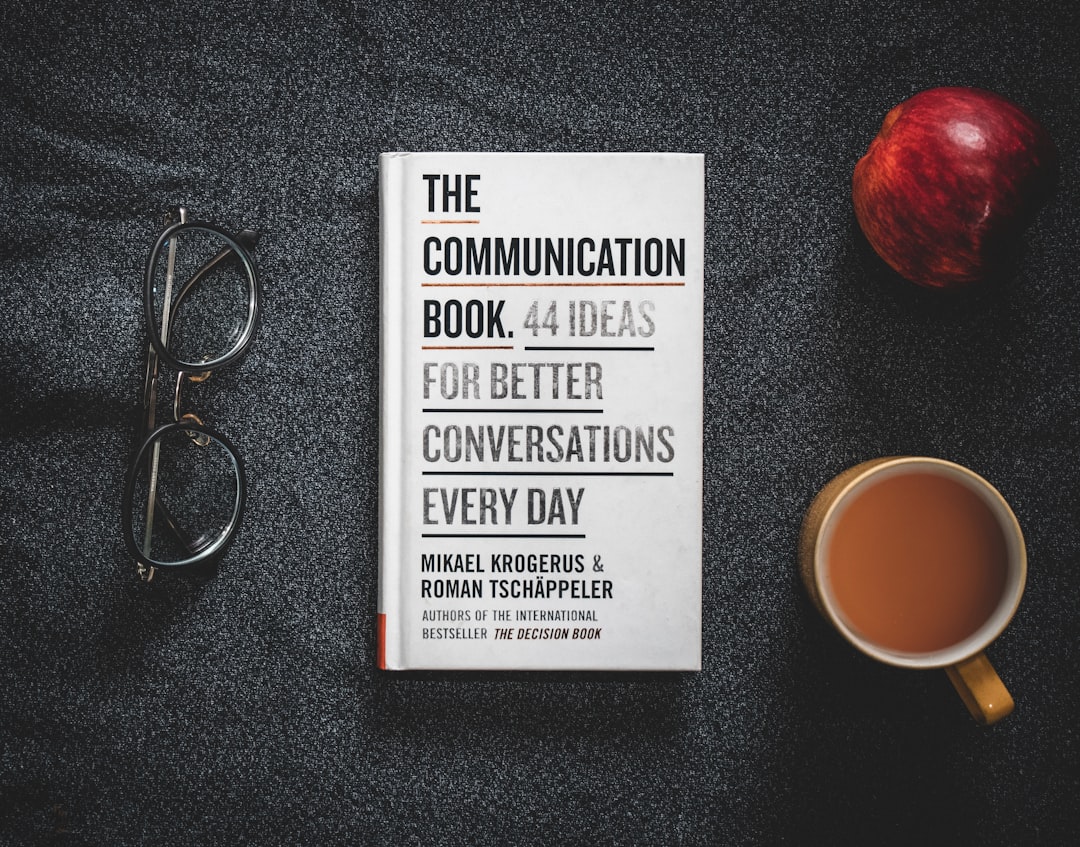
The caffeine question comes up constantly at cafes, usually phrased as a punchy shortcut. "Espresso has more caffeine, right?" "Cold brew is the strongest, isn't it?" The answers most people carry around are partly right and mostly wrong, because caffeine content depends on brewing variables in ways that the everyday vocabulary collapses.
This article breaks the question apart properly. It compares the three main cafe brewing methods on caffeine content per serving, per millilitre, and per gram of dry coffee used, drawing on published extraction studies and barista-accessible measurements. The goal is practical: after reading, you should be able to predict roughly how much caffeine any cafe drink delivers and calibrate your intake accordingly.
The Chemistry of Caffeine Extraction
Caffeine is a water-soluble alkaloid with the chemical formula C8H10N4O2. It sits in the coffee bean as a small fraction of total mass, typically 1.0 to 1.4 percent for arabica and 1.7 to 2.5 percent for robusta. When ground coffee contacts water, caffeine dissolves readily, because the molecule is highly soluble across a wide temperature range.
Three variables govern how much caffeine ends up in your cup:
- Coffee-to-water ratio. More coffee per unit of water means more caffeine available for extraction.
- Extraction efficiency. How much of the available caffeine actually dissolves into the water, driven by contact time, temperature, and grind size.
- Serving volume. The size of the drink determines total caffeine delivered.
These variables compound. A brewing method that uses a high coffee-to-water ratio and extracts efficiently will deliver a caffeine-rich cup. A method with a low ratio or limited extraction will deliver a milder one.
"Caffeine is unusually easy to extract. Once coffee is ground and water is added, roughly 90 percent of the available caffeine comes out within the first few minutes, regardless of temperature. What varies more between brewing methods is the other stuff that comes with the caffeine, which determines how the drink tastes." -- Professor William Ristenpart, UC Davis Coffee Center, 2020
Understanding this chemistry clarifies why the folk wisdom is so often wrong. Espresso feels stronger because the caffeine arrives concentrated in a small sip, but the total dose is modest because the serving is small.
The Numbers: Caffeine Per Standard Serving
The table below synthesizes published measurements and industry data into realistic caffeine ranges for the most common cafe drinks. Actual content varies with bean origin, roast degree, grind size, extraction time, and barista consistency, but these ranges cover the majority of drinks served at specialty and mainstream cafes.
Caffeine Content by Standard Serving
| Drink | Volume (ml) | Caffeine (mg) | Caffeine per ml |
|---|---|---|---|
| Single espresso | 30 | 60-75 | 2.0-2.5 |
| Double espresso (ristretto) | 40-50 | 90-130 | 1.8-3.0 |
| Double espresso (standard) | 60 | 120-150 | 2.0-2.5 |
| Flat white | 160-180 | 120-150 | 0.7-0.9 |
| Cappuccino | 180 | 120-150 | 0.7-0.8 |
| Latte | 240 | 120-150 | 0.5-0.6 |
| Long black / Americano | 200-240 | 120-180 | 0.5-0.9 |
| Drip / batch brew | 240 | 120-180 | 0.5-0.75 |
| V60 / Chemex pour-over | 240-300 | 130-200 | 0.5-0.75 |
| Aeropress | 200-240 | 100-180 | 0.5-0.75 |
| French press | 240 | 100-160 | 0.4-0.65 |
| Cold brew (standard dilution) | 300 | 150-250 | 0.5-0.85 |
| Cold brew (concentrate) | 240 | 200-350 | 0.85-1.5 |
| Nitro cold brew | 300 | 200-300 | 0.7-1.0 |
| Decaf espresso | 30 | 2-8 | 0.07-0.25 |
Three observations from this data matter most.
First, espresso is not the highest-caffeine drink despite its reputation. Per sip, yes. Per serving, cold brew and even a strong drip coffee deliver more total caffeine.
Second, milk-based drinks like flat whites and lattes deliver the same total caffeine as the espresso shot they are built from, regardless of milk volume. The difference between a flat white (160 ml) and a latte (240 ml) is milk, not caffeine.
Third, cold brew spans an unusually wide range depending on whether you drink the standard dilution or the concentrate. Many cafes serve cold brew concentrate as-is to customers who think they are ordering standard strength, which can easily push a single drink to 300+ milligrams.
Why Cold Brew Hits Hardest
Cold brew's caffeine density comes from two compounding factors: high coffee-to-water ratio during brewing, and long extraction time.
Typical cold brew ratios range from 1:5 to 1:8 by weight (coffee to water), compared to 1:15 to 1:17 for drip brewing. That alone means cold brew starts with 2 to 3 times more coffee per unit of water.
Extraction time of 12 to 24 hours allows caffeine to dissolve into the water almost completely, despite the lower temperature slowing the initial extraction rate. Cold water is less aggressive than hot water, but given enough time, it pulls out most of the available caffeine while leaving behind some of the more bitter compounds that hot extraction extracts.
The result is a concentrate with roughly 300 to 500 milligrams of caffeine per 240 millilitres. Cafes typically dilute this 1:1 with water, ice, or milk, which brings a served drink down to 150 to 250 mg. Some cafes sell undiluted concentrate directly, particularly for customers taking home bottles, which is where the 300+ mg drinks appear.
"Cold brew has a reputation for being smoother and mellower, which is true on the palate, but people underestimate how much caffeine is in there. A venti cold brew at many chains contains more caffeine than a pre-workout supplement, and people drink it like water." -- Dr. Jennifer Temple, University at Buffalo, Journal of Caffeine Research, 2018
For productivity-focused drinkers, this matters. Cold brew's smooth taste masks its potency, and afternoon consumption can genuinely disrupt sleep for people who metabolize caffeine slowly.
The Espresso Illusion
Espresso tastes strong. A well-pulled shot arrives dense, syrupy, and intense on the palate. Most drinkers assume intensity equals caffeine, but these are different chemistries. The perceived strength of espresso comes from its concentration of dissolved solids, oils, and acids in a small volume. Caffeine is a small part of the total.
A single espresso delivers roughly 60 to 75 mg of caffeine. A double delivers 120 to 150 mg. These are modest doses in the context of a day's caffeine intake. The perceived cognitive hit comes partly from the rapid absorption profile (caffeine in espresso reaches peak blood concentration slightly faster than with slower brewing methods) and partly from the associated flavor compounds.
Milk-based drinks built on espresso, including flat whites, cappuccinos, and lattes, deliver exactly the caffeine content of the underlying shot. Ordering a "large latte" gets you more milk, not more caffeine. Ordering a "strong" or "extra shot" version is the only way to raise the dose.
Espresso-Based Drinks: Caffeine by Shot Count
| Build | Typical Caffeine (mg) | Notes |
|---|---|---|
| Single-shot small coffee | 60-75 | Most Australian cafes default to single shot on small sizes |
| Double-shot standard | 120-150 | The Australian specialty standard |
| Triple shot | 180-225 | Available on request at most venues |
| "Extra shot" large latte | 180-225 | Standard practice to add one shot for large sizes |
| Flight of three espressos | 180-225 | Tasting format, not typical consumption |
Understanding that ordering a larger milk drink does not increase caffeine is useful for controlling intake. A drinker who wants more coffee flavor but the same caffeine can order a ristretto (shorter shot, similar caffeine, more intense flavor) or a macchiato (less milk, same caffeine).
Drip, Pour-Over, and the Filter Family
Filter coffee occupies the middle of the caffeine spectrum and the wide middle of the flavor spectrum. Drip, batch brew, pour-over (V60, Chemex), and Aeropress all extract coffee through paper filters, producing a clean cup that varies more in flavor profile than in caffeine content.
A standard 240 ml filter coffee contains roughly 120 to 180 mg of caffeine, depending on coffee dose, grind, and extraction time. Specialty filter brews, which typically use higher dose ratios (around 1:15 to 1:16 for V60 against 1:17 to 1:18 for standard drip), tend toward the upper end of that range.
Pour-over brewing methods give baristas fine control over extraction variables, which some interpret as giving filter coffee "more caffeine" than drip. The reality is more modest. A carefully brewed V60 might deliver 10 to 20 percent more caffeine than a batch brew using the same beans, but both sit comfortably in the 120-200 mg range.
Aeropress occupies its own niche. Depending on recipe, an Aeropress can produce anything from a light filter-style cup to a concentrated near-espresso. Common recipes yield 100 to 180 mg of caffeine in a 200 ml drink, though some World Aeropress Championship recipes push higher.
For workers using cafe visits as structured productivity sessions, understanding these differences supports more deliberate caffeine dosing. A single flat white at 9am (135 mg) and a single filter coffee at 11am (150 mg) puts you at 285 mg for the morning, which is within the moderate range most cognitive research supports as beneficial. Platforms like When Notes Fly emphasize structured work sessions that pair well with this kind of deliberate caffeine pacing.
The Individual Variable: How You Metabolize Caffeine
Population-level data is useful for expected effects, but individual response varies by a factor of 5 to 10 across healthy adults. The primary driver is genetic.
The CYP1A2 gene encodes the liver enzyme that metabolizes roughly 95 percent of the caffeine you consume. Variants of this gene produce "fast metabolizers" (who clear caffeine in 3 to 4 hours) and "slow metabolizers" (who take 6 to 10 hours for the same dose). A 2006 study published in JAMA found that slow metabolizers showed increased risk of cardiac events from heavy coffee consumption, while fast metabolizers did not.
Other variables that affect individual response:
- Body mass: heavier individuals process caffeine faster on average
- Liver health: hepatic impairment slows clearance substantially
- Smoking: induces CYP1A2 and speeds clearance by 30 to 50 percent
- Pregnancy: slows clearance by 50 percent or more
- Some medications: certain contraceptives, antibiotics, and antidepressants alter CYP1A2 activity
- Age: clearance slows gradually with age, with older adults often more sensitive
"People ask me all the time whether they should drink less coffee. The honest answer depends on how you metabolize it. If you sleep fine after a 4pm espresso, you are likely a fast metabolizer and can continue. If you lie awake at midnight after a 2pm coffee, you are probably slow, and you should stop earlier in the day." -- Dr. Ahmed El-Sohemy, University of Toronto nutrigenomics research group, 2019
Testing for CYP1A2 variants is now available through commercial genetic tests, though the clinical utility remains debated. For most adults, self-observation is sufficient: track how your sleep and anxiety respond to different caffeine timing, and adjust accordingly.
Caffeine and Cognitive Performance
The dose-response curve for caffeine and cognition is well characterized.
- Below 50 mg: minimal detectable cognitive effect in most adults
- 75-200 mg: measurable improvements in alertness, reaction time, working memory, and sustained attention
- 200-400 mg: continued alertness benefit with growing anxiety and jitter risks
- 400-600 mg: diminishing cognitive returns, increased anxiety, fine motor decline
- Above 600 mg: likely net negative for most cognitive tasks, elevated cardiovascular symptoms
The optimal zone for most cognitive work sits at 100 to 250 mg per session, spread across the day. This maps cleanly to one or two cafe drinks consumed at appropriate intervals.
For professionals using structured cognitive training, including reasoning tasks through Whats Your IQ, caffeine timing can meaningfully affect session performance. A moderate dose 30 to 45 minutes before a focused training session aligns with peak cognitive enhancement, which occurs roughly 45 to 60 minutes after consumption for most people.
Similarly, professionals studying for certification exams through Pass4Sure often report that morning caffeine supports study consistency but afternoon doses past 2pm can disrupt the sleep that consolidates learning. The general principle: caffeine is most useful during active study, least useful during the evening consolidation window.
Cognitive Benefit Timing
| Time Since Consumption | Effect |
|---|---|
| 0-15 minutes | Minimal (some placebo effect) |
| 15-45 minutes | Rising alertness, attention improvement begins |
| 45-90 minutes | Peak cognitive enhancement for most people |
| 90-240 minutes | Sustained benefit, gradually declining |
| 4-8 hours | Residual effects, sleep disruption risk if taken late |
| 8-12 hours | Mostly cleared in fast metabolizers |
Health Considerations and Safe Intake
The European Food Safety Authority and US FDA converge on similar guidance for healthy adults: up to 400 mg of caffeine per day is considered safe, with single doses up to 200 mg unlikely to produce safety concerns. Pregnant people should limit to 200 mg daily.
Beyond these thresholds, the evidence becomes more mixed. Heavy coffee consumption (6+ cups daily) has been associated with both positive outcomes (reduced risk of type 2 diabetes, some cancers, cardiovascular events in most studies) and negative outcomes (elevated blood pressure, anxiety, sleep disruption, gastrointestinal symptoms).
For most drinkers, staying within the 400 mg guideline covers the practical concerns. Two to three cafe drinks per day, spaced across morning and early afternoon, rarely produces problems.
Practical Dosing at the Cafe
Combining the numbers into usable guidance:
If you want a strong caffeine kick and rapid onset: double espresso or double-shot flat white (120-150 mg, peak at 45 minutes).
If you want moderate, sustained alertness: standard drip or filter coffee (120-180 mg, somewhat slower onset than espresso).
If you want a large drink that delivers meaningful caffeine: pour-over or V60 (130-200 mg depending on recipe).
If you want maximum caffeine per serving: cold brew at standard dilution (150-250 mg) or cold brew concentrate for genuinely high dose (200-350 mg).
If you want coffee flavor without the caffeine: decaf espresso or decaf drip (typically 2 to 8 mg residual caffeine).
If you want lower caffeine but real coffee flavor: single espresso (60-75 mg) or piccolo (short flat white built on a ristretto, about 60-75 mg).
For writers and editors working long sessions, pairing moderate caffeine with structured workflows from Evolang helps maintain focus across 2-3 hour blocks without the jitter that higher doses produce. Business founders tracking their caffeine as part of work output can refer to Corpy for Australian business formation resources and professional practice guidance where self-management matters.
For file-handling and data processing tasks that fill parts of the workday, browser tools at File Converter Free remove the overhead of software installation during cafe work, which supports the short-session format that matches moderate caffeine dosing.
For cafes adopting QR-based menu ordering to manage service flow during busy periods, systems like QR Bar Code reduce friction for customers ordering their second or third drink of the morning.
For visitors photographing wildlife encountered at Australian cafes with outdoor sections, reference material at Strange Animals covers the native species that often appear, from lorikeets on outdoor tables to the occasional brush turkey inspecting cafe gardens.
What to Take Away
Three durable points emerge from the caffeine question:
Espresso is not the strongest drink by total caffeine. It is the most intense per sip, but a small serving. Flat whites and milk drinks built on double espresso deliver 120 to 150 mg, the same as standard filter coffee.
Cold brew at standard dilution delivers the most caffeine per serving of any common cafe drink. Concentrate pushes this higher still. Drinkers underestimate this because the taste is smooth.
Individual response varies 5 to 10 fold. Population averages are useful for expected effects, but self-observation over weeks or months tells you more about your own optimal intake than any chart.
The right caffeine strategy is usually not about finding the strongest drink. It is about pairing moderate doses with the right timing and the work you are trying to do. The cafes that do the craft well make this easy, because their drinks sit in predictable caffeine ranges and their baristas can answer specifics when asked.
References
- Nehlig, A. (2010). Is caffeine a cognitive enhancer? Journal of Alzheimer's Disease, 20(S1), S85-S94. https://doi.org/10.3233/JAD-2010-091315
- Cornelis, M. C., El-Sohemy, A., Kabagambe, E. K., & Campos, H. (2006). Coffee, CYP1A2 Genotype, and Risk of Myocardial Infarction. JAMA, 295(10), 1135-1141. https://doi.org/10.1001/jama.295.10.1135
- Einother, S. J., & Giesbrecht, T. (2013). Caffeine as an attention enhancer: reviewing existing assumptions. Psychopharmacology, 225(2), 251-274. https://doi.org/10.1007/s00213-012-2917-4
- Temple, J. L., Bernard, C., Lipshultz, S. E., Czachor, J. D., Westphal, J. A., & Mestre, M. A. (2017). The Safety of Ingested Caffeine: A Comprehensive Review. Frontiers in Psychiatry, 8, 80. https://doi.org/10.3389/fpsyt.2017.00080
- Fuller, M., & Rao, N. Z. (2017). The Effect of Time, Roasting Temperature, and Grind Size on Caffeine and Chlorogenic Acid Concentrations in Cold Brew Coffee. Scientific Reports, 7, 17979. https://doi.org/10.1038/s41598-017-18247-4
- Gloess, A. N., Schonbachler, B., Klopprogge, B., D'Ambrosio, L., Chatelain, K., Bongartz, A., Strittmatter, A., Rast, M., & Yeretzian, C. (2013). Comparison of nine common coffee extraction methods. European Food Research and Technology, 236, 607-627. https://doi.org/10.1007/s00217-013-1917-2
- EFSA Panel on Dietetic Products, Nutrition and Allergies (2015). Scientific Opinion on the safety of caffeine. EFSA Journal, 13(5), 4102. https://doi.org/10.2903/j.efsa.2015.4102
- Smith, A. (2002). Effects of caffeine on human behavior. Food and Chemical Toxicology, 40(9), 1243-1255. https://doi.org/10.1016/S0278-6915(02)00096-0