
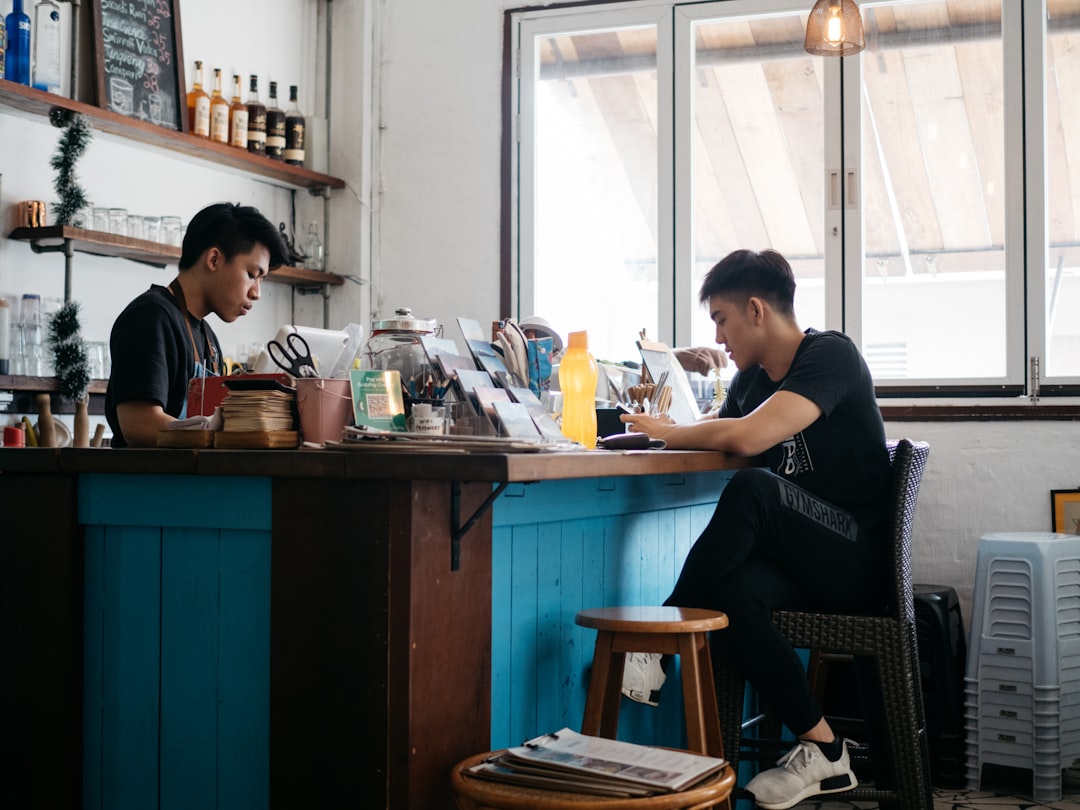
Almost everyone has had the experience. You buy the same beans your favorite cafe uses, take them home, brew a cup, and somehow it is just not the same. The coffee is fine, but the magic is missing. It is tempting to conclude that cafes have some secret you will never crack. The truth is less mysterious and more encouraging: the gap comes from a handful of understandable factors, and several of them are within your reach to close.
This guide explains why cafe coffee so often tastes better than the home version, and what is really happening behind the counter.
The Equipment Gap
The most obvious difference is the machine. A commercial espresso setup is built to do things a typical home kitchen cannot. It holds water at a stable temperature, delivers consistent high pressure, and recovers quickly between drinks. That stability matters enormously, because espresso is sensitive to small changes in temperature and pressure, and inconsistency shows up directly in the cup.
The grinder is just as important, and often more so. Cafes use powerful grinders that produce very even particle sizes. Even grinding means even extraction, which is one of the foundations of good coffee. Many home setups pair decent beans with a weaker grinder, and the uneven grind quietly undermines everything that follows.
This does not mean you need commercial equipment to make good coffee at home. It means that if your results disappoint, the grinder and brewing consistency are usually better suspects than the beans themselves.
Freshness You Cannot See
Cafes that care about coffee move through beans quickly, which means what they serve is often roasted recently. Coffee is at its best within a window after roasting, and it gradually loses aromatic complexity as it ages and as the volatile compounds escape. A busy cafe naturally serves fresher coffee simply because of turnover.
At home, the same bag may sit for weeks. Worse, coffee staleness accelerates dramatically once beans are ground, because grinding exposes far more surface area to air. Pre-ground coffee, or beans ground long before brewing, gives up its aromatics fast. This is a major and underappreciated reason the home cup falls flat.
The single biggest freshness mistake at home is grinding too early or buying pre-ground. Coffee ages in minutes once it is ground, not days.
Grinding immediately before brewing is one of the highest-impact changes a home drinker can make, and it requires only a decent grinder and a small shift in habit.
The Skill Behind the Counter
A good barista is doing more than pushing a button. They are managing variables in real time: the grind setting, the dose of coffee, how the grounds are distributed and compressed, the brew time, and the milk texturing. Each of these has been practiced, and the barista adjusts them based on how the coffee is behaving that day, since even the same beans shift as they age.
This accumulated skill is invisible to the customer, which is part of why the result feels effortless and unrepeatable. At home, you are performing all of those steps too, but usually without the same practice and without immediate feedback on what to change. The good news is that these are learnable skills, not innate talents. Most home drinkers improve quickly once they know which variables actually matter.
Milk is a clear example. The smooth, glossy microfoam in a cafe drink is the product of practiced steaming technique. Recreating it at home is possible but takes deliberate practice, which is why home milk drinks often differ noticeably from the cafe version even when the espresso is similar.
Water, the Forgotten Ingredient
Coffee is overwhelmingly water, so the water you use shapes the result more than most people realize. Its mineral content and quality affect extraction and flavor in real ways. Cafes serious about coffee often pay attention to their water, whether through filtration or treatment, to keep it in a favorable range.
At home, water is usually an afterthought. If your tap water tastes off on its own, it will carry that into the coffee, and very hard or very soft water can both work against good extraction. This is an easy variable to overlook and a relatively easy one to improve, often just by using filtered water.
| Factor | Typical cafe | Typical home | Can you close the gap? |
|---|---|---|---|
| Grinder quality | High, even grind | Often weaker | Yes, with a better grinder |
| Bean freshness | High turnover | Bag sits for weeks | Yes, buy less, grind fresh |
| Brewing consistency | Stable machine | Variable | Partly, with care and practice |
| Barista skill | Practiced daily | Learning | Yes, over time |
| Water quality | Often managed | Often ignored | Yes, with filtration |
The table shows something reassuring. Most of the gap is not a permanent advantage that cafes hold over you. It is a set of factors, and almost every one of them can be improved at home with modest effort.
The Atmosphere Effect
There is also a part of the difference that has nothing to do with the coffee itself. A cafe offers an experience: the aroma in the air, the sound of the machine, the absence of your own dishes waiting in the sink, and the simple pleasure of being served. Flavor perception is influenced by context, and the same cup genuinely tastes better when you are relaxed in a pleasant space than when you are rushing in your kitchen before work.
This is not a trick or an illusion to dismiss. It is a real part of why people value cafes, and it explains why even a technically excellent home cup may not fully replicate the cafe feeling. Some of what you are buying is the moment, not only the drink.
Closing the Gap at Home
If you want your home coffee to taste more like the cafe version, focus your effort where it pays off. Invest first in a good grinder and grind immediately before brewing. Buy fresh beans in smaller quantities so they do not go stale. Use good water. Then practice the brewing steps, paying attention to consistency, and accept that milk technique in particular takes time.
You may never perfectly match a skilled barista on commercial equipment, and that is fine. The goal is not to eliminate cafes but to enjoy a genuinely good cup at home and to understand what you are tasting. With those adjustments, the gap narrows from a mystery into a manageable difference, and the cafe becomes a pleasure you choose rather than the only place real coffee exists.
Frequently Asked Questions
For more, see related articles on what makes specialty coffee different and how Australian coffee became world class.